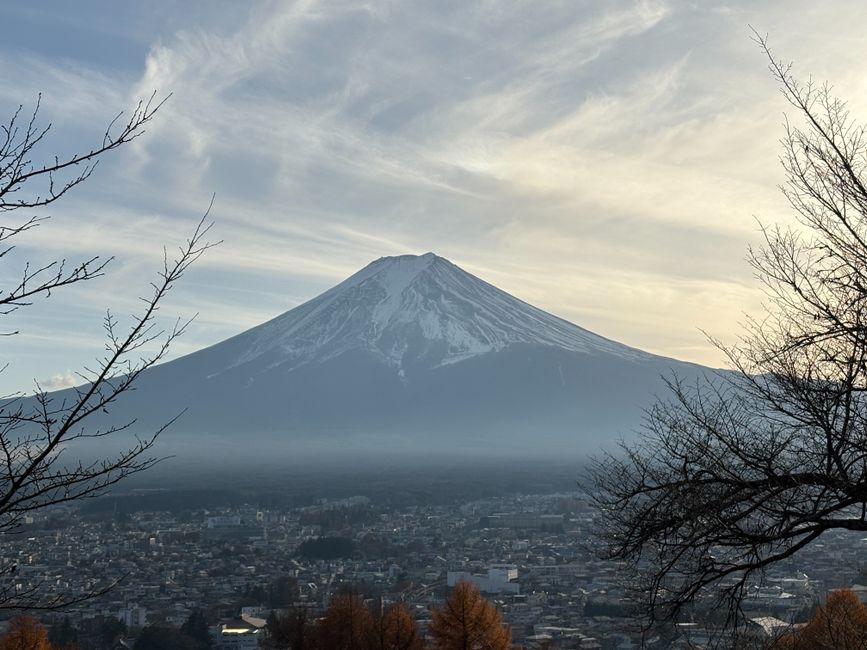
Nestled between the Yamanashi and Shizuoka Prefectures, Mount Fuji stands as an emblem of Japan's natural heritage. This travelogue captures the essence of a journey to its majestic peak.
The Allure of Mount Fuji
The allure of Mount Fuji is undeniable. As Japan’s tallest mountain at 3,776 meters, it captivates travelers with its symmetrical cone and snow-capped tip. Whether viewed from afar or up close, it serves as a symbol of beauty and strength.
Pathways to the Summit
Climbing Mount Fuji is a rite of passage for many. The Yoshida, Subashiri, Gotemba, and Fujinomiya trails each offer unique experiences and challenges. The ascent is best undertaken in the official climbing season, from July to early September, ensuring both safety and optimal weather conditions.
Cultural and Spiritual Significance
Beyond its physical splendor, Mount Fuji holds deep spiritual significance. It has been a pilgrimage site for centuries, with travelers visiting the ancient shrines that dot the landscape, blending nature’s majesty with profound cultural resonance.
Capturing the Sunrise
One of the highlights of a Mount Fuji expedition is witnessing the “Goraiko,” or sunrise, from the summit. As dawn breaks, the sky paints a masterpiece of colors, making the arduous climb worth every step.
Conclusion: A Transformative Experience
Embarking on a journey to Mount Fuji is more than just a travel endeavor. It’s a transformative experience that offers breathtaking views, personal growth, and a profound connection to Japan's cultural essence. As you stand atop and gaze upon the horizon, you'll understand why this iconic peak remains a beloved destination for adventurers worldwide.
Leave a Reply