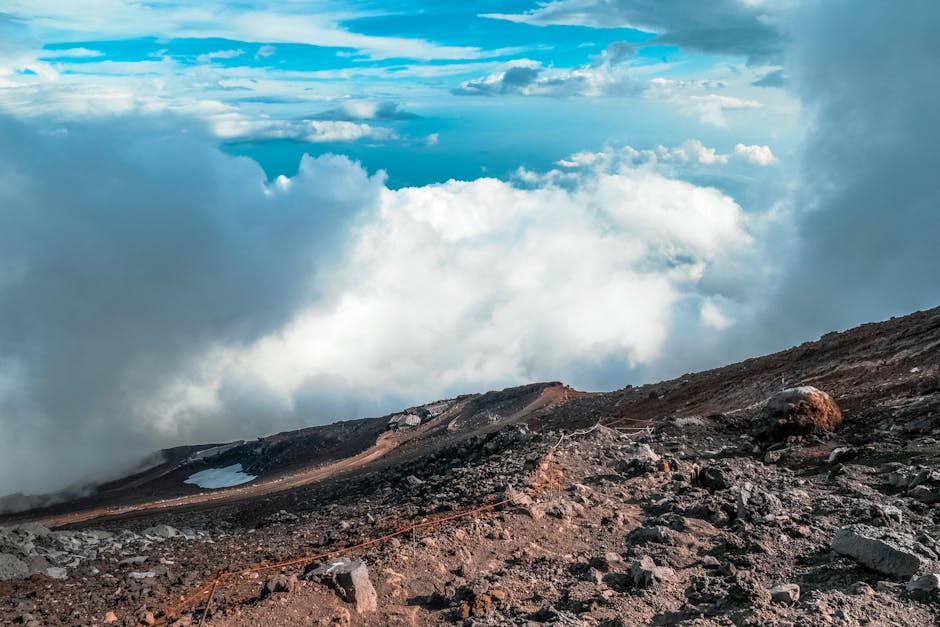
Mount Fuji, Japan's highest and most iconic peak, is a haven for hikers craving breathtaking vistas and serene surroundings. Whether you're an experienced trekker or a first-time adventurer, understanding the essentials of this journey is crucial.
Best Time to Visit
The official climbing season runs from early July to early September when the weather is most favorable, and mountain huts are open, ensuring a safe and enjoyable experience.
Trail Options
Mount Fuji offers several trails, with Yoshida, Subashiri, Gotemba, and Fujinomiya being the most popular. Each trail varies in difficulty and duration, offering unique experiences.
Essential Gear
Proper preparation is key. Equip yourself with sturdy hiking boots, weather-appropriate clothing, and plenty of water. A headlamp and trekking poles can also provide extra support and safety during your ascent.
Altitude Considerations
Altitude sickness is a concern on Mount Fuji's slopes. Climbers are advised to pace themselves and consider acclimatizing beforehand. Listening to your body and taking breaks as needed can prevent discomfort.
Accommodation Options
The route is dotted with mountain huts that provide simple meals and resting spaces. Booking in advance is recommended, as these accommodations fill up quickly during peak season.
Cultural Etiquette
Respecting Fuji's sacred status is paramount. Maintain cleanliness and follow designated paths to preserve its natural beauty and cultural significance.
Safety Tips
Weather conditions can change rapidly. Checking the forecast, carrying a map, and informing others of your plans ensures a secure expedition.
Venturing up Mount Fuji offers an unparalleled adventure filled with stunning landscapes and cultural insights. By understanding these facets, you're ready to embrace a memorable and safe hiking experience.
Leave a Reply