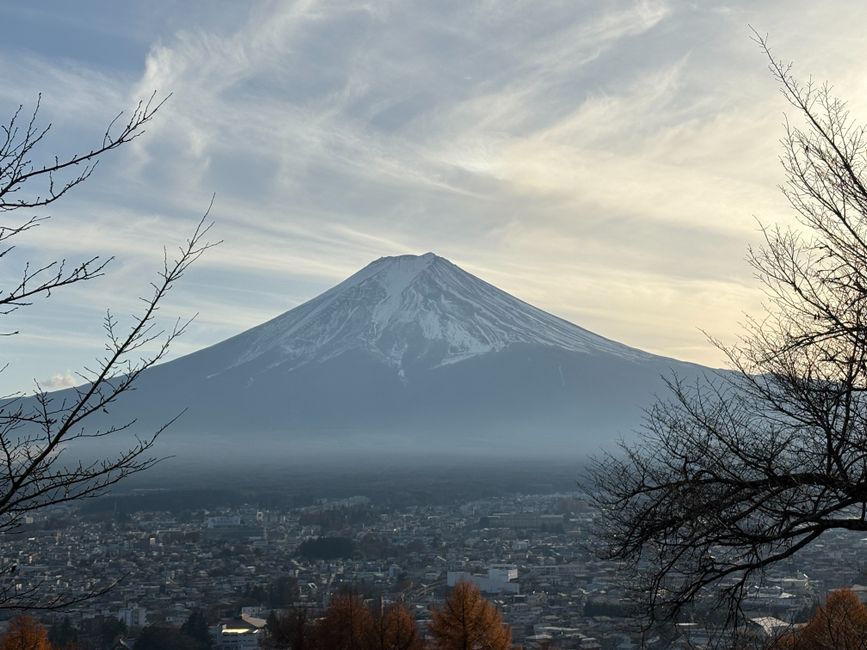
Nestled in Japan’s scenic landscape, Mount Fuji stands as a natural wonder and a symbol of cultural significance. Scaling its majestic height is a dream for many adventurers, and with the right guidance, it can be a rewarding experience.
Best Time to Visit
The ideal period for climbing Mount Fuji is from July to early September, when the weather is relatively stable and the trails are open to the public. This is also when the mountain's breathtaking beauty can be fully appreciated.
Popular Climbing Routes
There are four main trails to the summit: Yoshida, Subashiri, Gotemba, and Fujinomiya. Each offers unique scenic views and varying levels of difficulty. Yoshida Trail is the most popular due to its accessibility and numerous facilities.
Preparations and Safety
Preparing adequately is crucial for a safe climb. Proper gear, adequate hydration, and acclimatization to avoid altitude sickness are paramount. Check the weather forecast and current trail conditions before embarking.
Cultural Significance
Mount Fuji is not just a natural landmark but also a cultural symbol deeply interwoven with Japanese art and history. The mountain's serene beauty has inspired countless artists and holds spiritual significance for many.
Finally, whether you’re a seasoned climber or a cultural enthusiast, Mount Fuji offers an unparalleled experience. Prepare well, respect the natural environment, and immerse yourself in the majesty of this iconic peak.
Leave a Reply